
What Does Marketing Automation Actually Do?

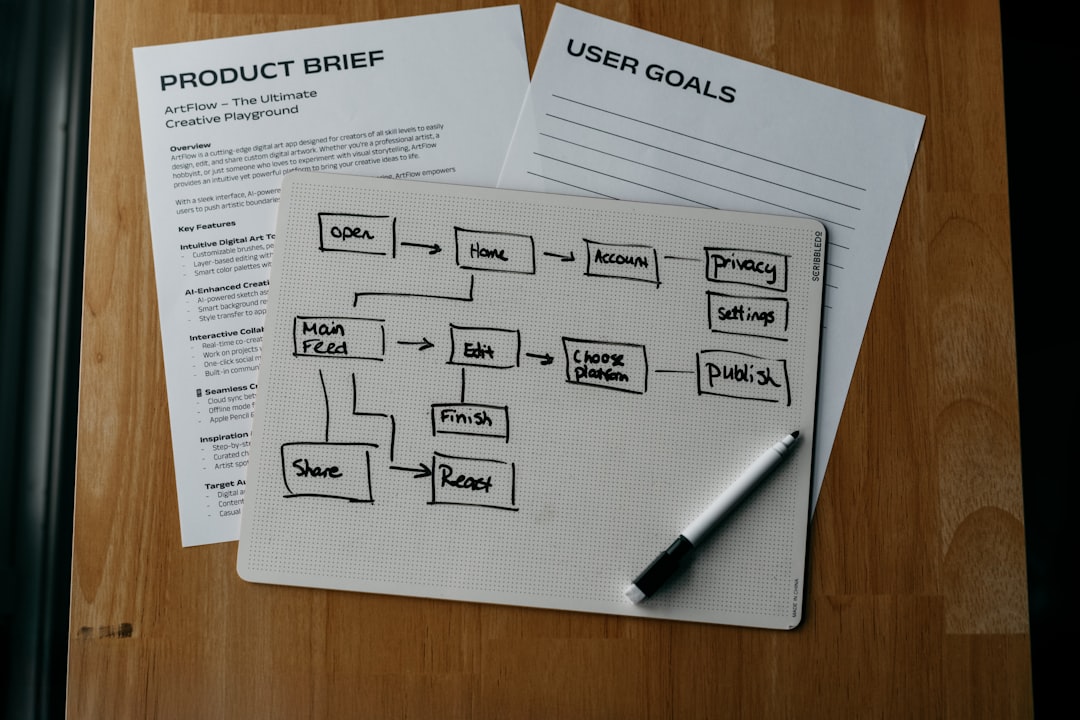
If your team is spending hours on repetitive tasks - sending follow-up emails, updating contact records, chasing approvals - marketing automation exists to take that weight off. At its simplest, a marketing automation platform lets you define a process once, then lets software carry it out automatically, every time, without someone having to remember to do it.
The Core Idea Behind Automation
Automation in marketing is built around a straightforward logic: if this happens, do that. A contact fills in a form - send them a welcome email. A deal moves to a new stage - notify the account manager. A campaign goes live - log the activity against the right project.
That trigger-and-action pattern is what makes automation so powerful. You are not just saving a few minutes here and there. You are building consistent, repeatable workflows that run in the background while your team focuses on the work that actually needs human judgement.
What Marketing Automation Actually Handles Day to Day
The honest answer is: quite a lot. Teams new to automation are often surprised by how many of their daily tasks are candidates for it. Here are some of the most common areas where automated marketing workflows make a real difference:
- Lead nurturing: Automatically send a sequence of emails to a new contact based on their behaviour or where they are in the buying journey - no manual scheduling required.
- Task creation: When a new project kicks off or a deal reaches a certain stage, create the relevant tasks and assign them to the right people without anyone having to set them up by hand.
- Contact and CRM updates: Keep records accurate by automatically updating fields, tagging contacts, or moving them between lists when conditions are met.
- Campaign notifications: Alert team members when something needs their attention - a deadline approaching, a form submission arriving, a content piece ready for review.
- Reporting triggers: Kick off a report or a summary email at a set time each week so stakeholders stay informed without someone compiling it manually.
None of these are glamorous. But collectively, they represent a significant chunk of the administrative overhead that slows marketing teams down.
Why It Matters More When Your Tools Are Connected
Automation software works best when it sits inside a connected system rather than bolted onto the side of one. When your CRM data, project management, content workflows, and campaign activity all live in separate tools, automation can only do so much - it can automate within one tool, but it cannot see the full picture.
This is why teams increasingly look for an integrated marketing tool that brings those functions together. When a contact record, a project board, and a campaign timeline all share the same data, your automated workflows can respond to the complete context - not just a fragment of it.
Automation is not about replacing the thinking. It is about making sure the thinking you have already done gets executed reliably, every single time.
Common Misconceptions About Marketing Automation
"It's only for large teams"
This is one of the most persistent myths. In reality, smaller teams often benefit more from automation because they have fewer people to absorb the manual work. A team of five running automated workflows can operate with the consistency of a team twice that size.
"It removes the human element"
Automation handles the predictable, rules-based work. The creative decisions, the strategic calls, the client relationships - those still need people. What automation does is clear the path so your team has the headspace to focus on those things.
"It's complicated to set up"
It can be, if you are dealing with a platform that was not designed with usability in mind. But modern automation software is built around visual workflow builders and plain-language logic. If you can describe a process in plain English - "when X happens, do Y" - you can usually build it.
Where Landing Platform Fits In
Landing Platform is built as a marketing operations platform that combines the functions teams typically manage across separate tools: project management, CRM, content creation, and campaign operations, all in one place. Automation runs through the whole system, not just one corner of it.
That means your automated marketing workflows are not limited to email sequences. They can span project stages, contact records, content approvals, and team notifications - all connected, all triggered by the same underlying data. It is the kind of setup that makes automation genuinely useful rather than a feature you turn on and forget about.
For teams that have previously relied on a patchwork of separate tools, the shift to a single platform changes what automation can do. Instead of syncing data between systems and hoping nothing falls through the gaps, everything your workflows need is already in one place.
Getting Started: A Practical Starting Point
If your team is new to automation, the best approach is to start small and specific. Pick one process that is genuinely painful - something someone has to do manually every week without fail - and automate that first. Once it is running reliably, move to the next one.
- Write down the process in plain steps: what triggers it, what happens next, who needs to know.
- Check whether your current tools support that trigger and action - or whether you need a more integrated setup.
- Build the workflow, test it with a small sample, and confirm the output looks right.
- Hand it off to run automatically, and review it after a few weeks to see whether it needs adjusting.
The goal is not to automate everything at once. It is to build confidence in what automation can do, one workflow at a time, until it becomes a natural part of how your team operates.
If you are exploring how a marketing automation platform could fit into your team's daily operations, Landing Platform is worth a closer look. It brings together the tools and automation capabilities that marketing teams need in a single, connected system - so you can spend less time managing processes and more time running great campaigns. Get in touch or explore the platform to see how it works in practice.
Related

Project Management and CRM Combined: Why It Matters
Running projects and managing client relationships in separate tools creates friction that slows every team down. Here's why bringing them together changes everything for ops managers.

What Is an All-in-One Marketing Platform? A Plain Guide
Scoping a new tool stack and not sure where an all-in-one marketing platform fits? This plain guide breaks down the core pillars, the real benefits, and what to look for before you commit.
The Real Cost of Juggling Too Many Marketing Tools
Running your marketing operations across a dozen disconnected tools feels manageable - until you add up what it's quietly costing you. This post breaks down the real operational toll of tool sprawl and what a smarter alternative looks like.