
Compare / Dialpad
Landing Platform vs Dialpad: calls joined to your CRM
Dialpad is an AI-powered business phone and contact centre platform, priced per user with seat minimums by plan. Landing connects calls to the business: every form rings your own line and bridges the lead, SMS runs in playbooks, and the whole customer sits on one record.

Landing suits you if
- You want web enquiries turned into calls automatically
- You want calls, meetings and deals on the same record as marketing and service
- You want one system for the team, not one more per-seat bill
Where the phone bill sits apart.
A phone platform connects the call. The business around it is elsewhere.
Another per-seat bill
Every user is another phone licence, on top of the CRM, the helpdesk and the marketing tool.
Forms still wait
An enquiry from your website still waits for a person to see it and call.
The record is split
Calls, transcripts and summaries sit in the phone platform and sync to a CRM you run separately.
Landing Platform vs Dialpad, line by line.
Landing turns enquiries into calls and keeps every team on one customer record. Here is how that lines up.
| Feature | Landing Platform |  Dialpad |
|---|---|---|
| Speed to lead | A form fill rings your own line, and the lead is connected the moment someone answers | A person starts the call |
| Which line rings | Your existing business line, or each brand's own number | Dialpad numbers, one local number per user |
| SMS | SMS in flows and playbooks, from a shared credit pool | Messaging on the phone platform |
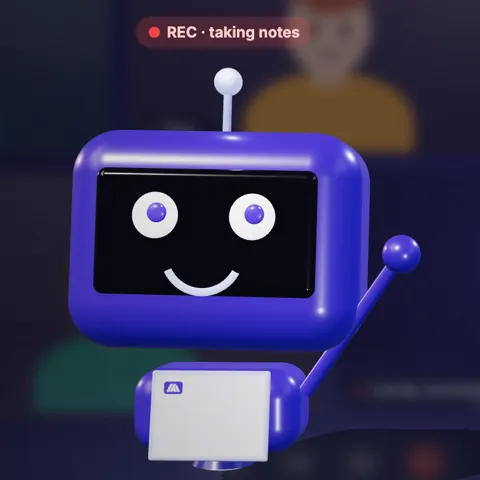
| Meeting notes | A notetaker joins Teams and Google Meet, matches speakers to contacts and files the summary on the deal | AI transcription and summaries on its platform |
| The CRM | Contacts, companies, deals and pipelines, with every form, email, call, meeting and ticket on one timeline | Integrates with a separate CRM |
| Forms and landing pages | Forms, pop-ups, pages and sites, each able to trigger a callback | Not part of Dialpad |
| Email marketing | Campaigns and flows on the same contact list | Not part of Dialpad |
| Projects, timesheets and invoices | Boards, timesheets, and invoices from hours, milestones or retainers | Not part of Dialpad |
Dialpad details reflect its publicly available plans as of 2026; check current details on its own site.
Switching is our job, not yours.
We move you over one tool a month, against success criteria we agree with you up front. You don't pay until we prove each one is ready.
We map your stack
Show us Dialpad and the tools it feeds: the CRM, the helpdesk, the forms. We agree what moves and what "ready" means before you commit.
We connect and move
We point the callback at your business line and verify each brand's caller ID. Your contacts, deals and history move as part of the switch.
You sign it off
Billing starts only when we have shown it works against the criteria you set. Then we move the next tool, one a month.
But Dialpad runs our phones.
Fair. These are the questions teams ask about calls on Landing.
Does the callback work with the line we already have?
Yes. It rings your existing business line, or each brand's own number, and connects the lead the moment someone answers.
Where do call and meeting notes end up?
On the deal. The notetaker joins Teams and Google Meet calls, matches speakers to contacts, files the summary and turns action items into tasks.
Can support work from the same record?
Yes.
Taking notes by hand?
Get the free meeting minutes template while you look at notes that file themselves.
“We were running PR, social scheduling and the rest of our marketing across half a dozen tools that never talked. Now we plan, schedule and measure from a single screen.”

Every enquiry called. Every call on the record.
Thirty minutes on your own setup. We'll show you what moves, what it costs and when billing would start.